
-
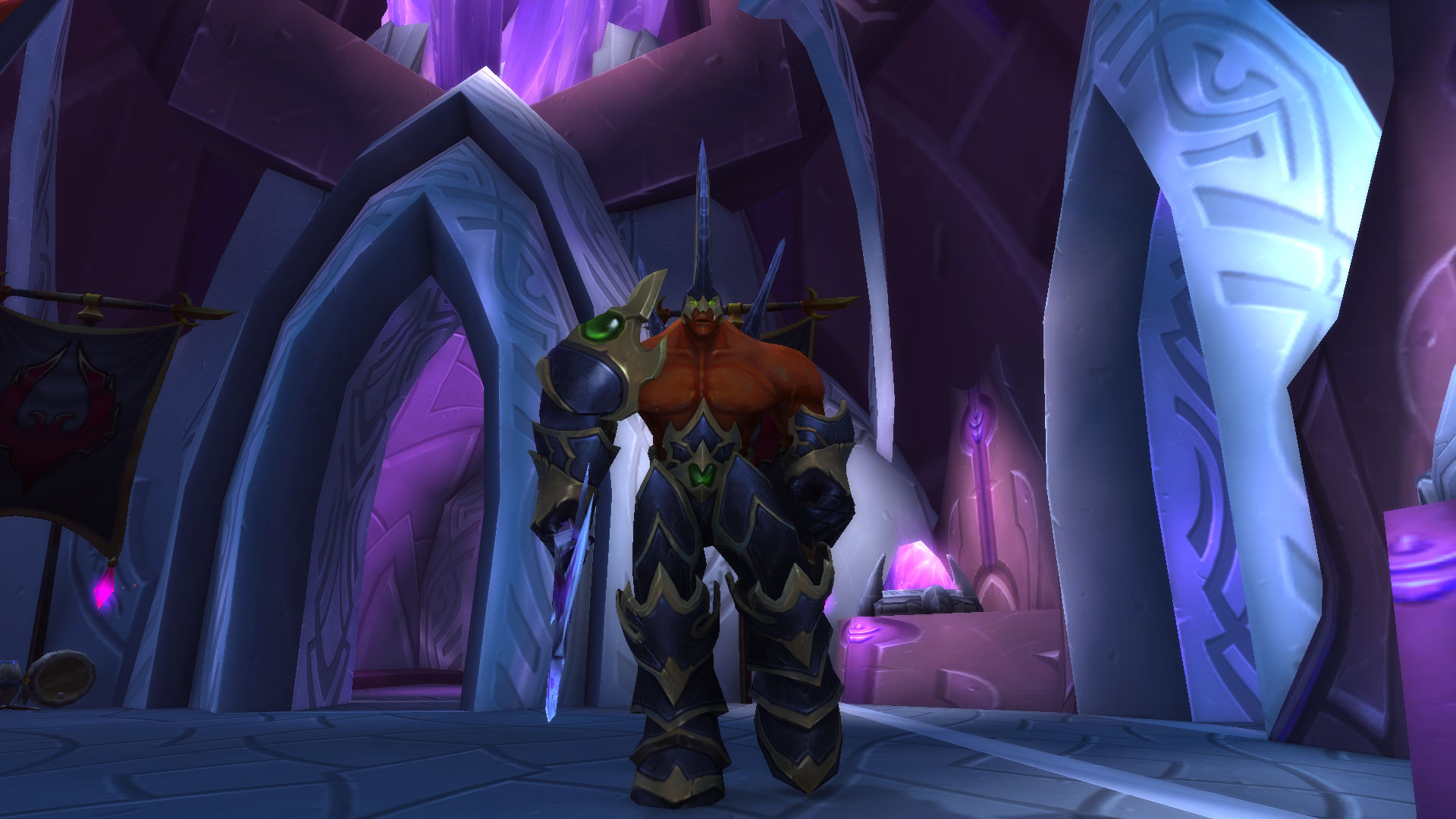
Dungeon Finder Progression: How the Automated Queue System Altered Guild Social Dynamics in WoW Cataclysm
The introduction of the Dungeon Finder in World of Warcraft: Cataclysm significantly transformed the social fabric of guilds and player interactions. This automated queue system allowed players to engage in dungeons without the need for pre-formed groups, impacting both gameplay and community dynamics. Understanding these changes is crucial for players seeking to navigate the evolving… Continue Reading →
-
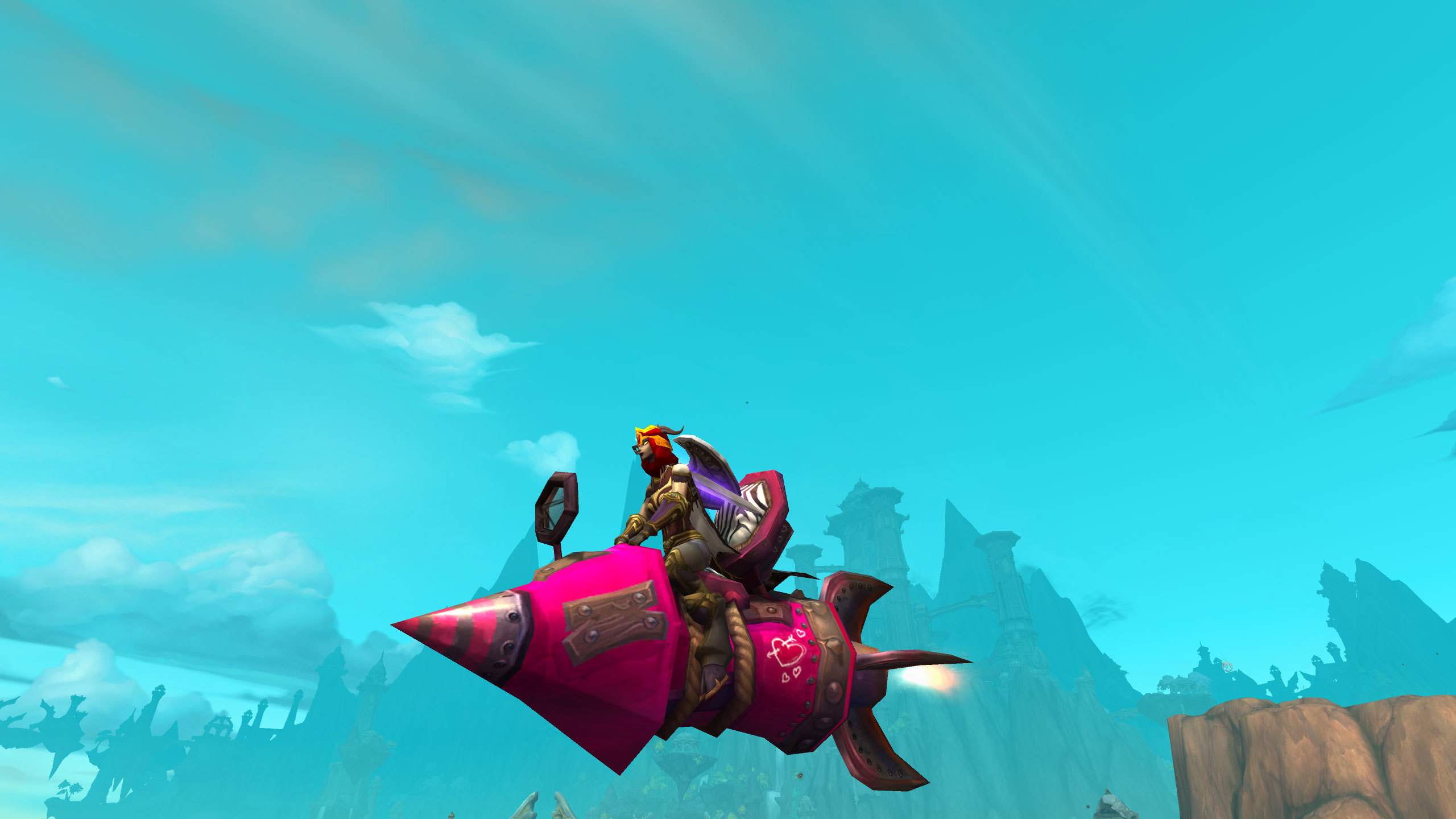
Invest in Your Character: How to Safely Buy WoW Raid Carry Services for Exclusive Loot
Why Exclusive Raid Loot Is Worth the Effort For many players, the ultimate joy in the game comes from obtaining rare armor and weapons that only drop in the most difficult raids. These items not only make your character significantly stronger but also act as a visible sign of your dedication to the game. However,… Continue Reading →
-
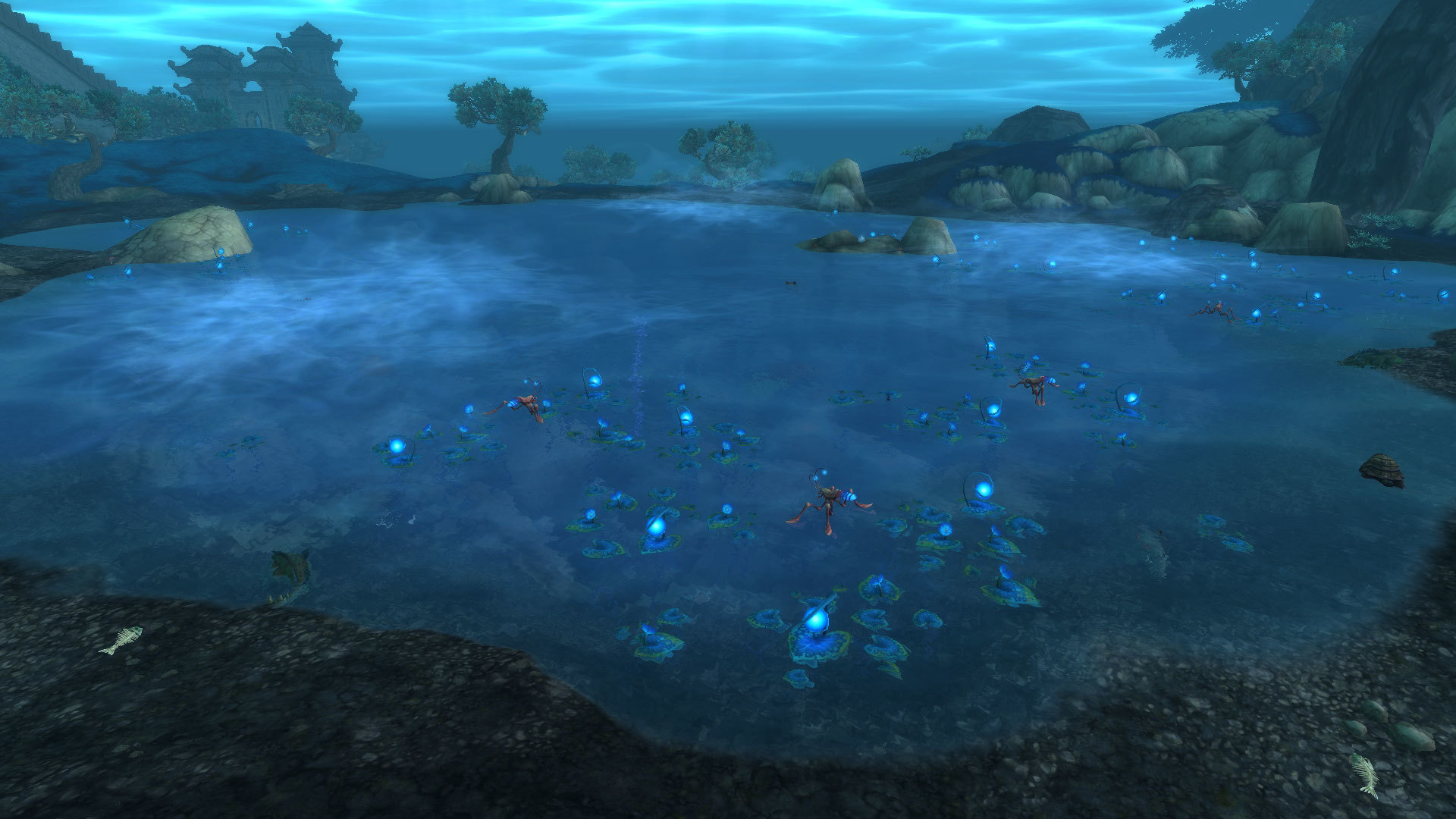
Exploring the Secret Islands of Pandaria: Off-the-Map Locations and Easter Eggs
Pandaria, the mystical land shrouded in fog, is not only home to the major zones of the Jade Forest and the Valley of the Four Winds but also boasts a variety of hidden islands and off-the-map locations. These secretive areas, often overlooked by adventurers, are ripe for exploration and discovery. Many of these islands contain… Continue Reading →
-

The Evolution of World of Warcraft Cinematics: From In-Game Engine to Hyper-Realism
WoW cinematics evolved from basic in-game renders to cinematic masterpieces. Each expansion raised the bar for video game storytelling. This retrospective traces cinematic evolution. Early Cinematics Vanilla WoW used in-game engine for all cinematics. Character models and animations were limited by game technology. Despite limitations, cinematics conveyed epic scope effectively. Burning Crusade and Wrath maintained… Continue Reading →



Williams Brown
Latest Posts
- Dungeon Finder Progression: How the Automated Queue System Altered Guild Social Dynamics in WoW Cataclysm
- Invest in Your Character: How to Safely Buy WoW Raid Carry Services for Exclusive Loot
- Exploring the Secret Islands of Pandaria: Off-the-Map Locations and Easter Eggs

- The Evolution of World of Warcraft Cinematics: From In-Game Engine to Hyper-Realism

- Fast Track Your Progress: Why Buying WoW Classic TBC Gold Makes Sense
Categories
Archive
Tags
Social Links
Quick Guide: Getting the Most from WoW Carry
Introduction
A WoW Carry is a service where experienced players help you complete key content in World of Warcraft, such as dungeons, raids, or high-level PvP, while your character earns loot, experience, and achievements. Instead of spending hours forming groups, farming gear, or learning mechanics on your own, a carry lets you jump straight into the action with minimal hassle. This approach saves time and lets you focus on the parts of the game you enjoy most, whether that’s collecting mounts, unlocking achievements, or gearing up for endgame fights.
Using a carry service starts with finding a provider that offers clear run descriptions—what content they cover, how long each session takes, and what rewards you can expect. Once you book a run, you link your game account or share your character name with the carry team. They invite you to their group, guide you through each encounter, and make sure you meet any requirements, such as item-level minimums or quest completions. During the carry, you stay in voice or text chat so you can follow instructions and learn basic tactics, but the heavy lifting is handled by pro players who know each boss fight, path, and key strategy.
By the end of a carry session, you receive the items, experience, and achievements tied to the content you ran. Many players use carries to fill gaps in their gear sets, complete hard-to-reach achievements, or unlock rare mounts that require hard modes in raids. A WoW Carry turns a long grind into a focused session, leaving you with clear results and new goals. In this guide, we’ll cover how to pick the right carry service, prepare your character for a smooth run, and get the best results from every session.
Pick the Right Carry Service
Choosing the right carry service is crucial to getting the most value from your session. Start by reading user reviews on independent forums or community sites to see which providers have a solid track record. Look for feedback on run completion rates, communication quality, and delivery speed. A top-rated service will list clear run options—such as specific raid wings, dungeon levels, or PvP brackets—and show the expected time frame for each run. Compare prices in relation to the rewards offered. A run that promises high item-level drops but takes twice as long might not be as good a deal as a slightly cheaper, faster option.
Next, check that the provider offers the content you need. If you want mounts from a current raid, make sure the service covers the specific wing and difficulty required. If you need a Mythic+ key push, confirm the level of the keystone they guarantee. Some services include extras like consumables, mounts, or achievements at no extra cost. Make a note of these add-ons, as they can raise the overall value of the run. Also verify the communication method they use—some teams prefer Discord voice channels, while others rely on in-game chat. Pick a service whose style matches your comfort level for asking questions and following live instructions.
Finally, review their cancellation and refund policy. Delays can happen if a group member disconnects or if the server experiences issues. A reliable carry service will offer a partial or full refund if they fail to deliver the run within an agreed time window. By doing this background check, you ensure your time and money go to a provider that delivers clear, fast, and reliable carries for the content you want.
Prepare Your Character
Before your scheduled carry session, you need to get your character ready for a smooth run. First, check the carry requirements and meet any item-level minimums. If your gear falls short, consider upgrading your enchants, gems, or consumables to the basic level the service asks for—this can prevent delays and ensure the team does not have to pause to buff or heal you more than necessary. Open a slot in your bag for loot drops. Clear out old quest items, excess crafting materials, and vendor trash to make room for all loot you will pick up during the carry.
Next, adjust your talent build and action bar layout for optimal performance. Carry teams often share a simple recommended build in advance, focusing on your class’s main damage or healing spells and key defensive cooldowns. Apply those talent changes before the run so you can jump right into the fight without extra loading time. Pack key consumables—healing potions, stat food, flasks, or mana items—that the carry team may remind you to use. Having these ready prevents mid-run breaks for consumable prep.
Finally, clear any blocking quests or dungeon locks that could stall your session. If you have an unfinished quest that requires clearing trash mobs before a boss, finish that first. If you haven’t unlocked a dungeon’s entrance quest chain, complete it so you can teleport in or use a group finder tool. Being fully unblocked means the carry team can start boss pulls immediately, maximizing your time and ensuring you meet the promised run length. By following these prep steps, you show the carry team you’re ready, and you set the stage for a fast, efficient session with clear rewards.
Share Your Goals and Preferences
Before your carry run begins, take a moment to share your specific goals and preferences with the team. Clear communication ensures you get exactly what you need from the session. Start by stating your desired item level or achievement targets. For example, you might say, “I need item level 215 gear from Castle Nathria Heroic,” or “I want the Glorenzelg, Highlord of the Unseen mount achievement.” Let the team know if you’re aiming for a specific mount, pet, title, or transmog set. If you have multiple goals—such as finishing a dungeon on Mythic difficulty and picking up a rare mount—rank them in order of importance so the team can plan the route accordingly.
Next, decide on your preferred communication method. Some carry teams work best on Discord voice channels, where they can call out pulls and boss mechanics in real time. Others stick to in-game chat when voice isn’t available. Choose whichever option feels more comfortable, and test your mic or chat settings in advance. If you have trouble hearing instructions, let the team know so they can type key points or send quick text cues.
Finally, mention any personal preferences that affect the run flow. This might include breaks for consumables, a preference for fewer trash pulls between bosses, or a request to pause for screenshots after each boss kill. If you want to watch certain mechanics played out for learning purposes, ask the team to slow down briefly at those moments. By sharing these details up front, you minimize interruptions during the carry and maximize the value you receive. A clear list of goals and preferences sets the stage for a smooth, efficient session and ensures you walk away with exactly what you hoped to achieve.
Stay Active and Follow Instructions
During the carry session, your active participation makes a big difference in run speed and success. First, accept group invites and ready-checks promptly. Delaying even a minute can throw off the group’s timing and extend the overall run. Once inside the instance or battleground, listen for pull calls and positioning instructions. Pro players often use concise phrases like “stack left,” “spread for void zones,” or “line up for cleave.” Pay attention to these cues and move immediately to the indicated spots. If you’re unsure what a call means, ask for a quick clarification in chat.
Keep your camera and character positioned for optimal awareness. Angle your view so you can see both your target and any incoming threats or area effects. This setup helps you react faster to mechanics. Use keybinds instead of clicking abilities to cut down on reaction time. If the team reminds you to use a defensive cooldown or interrupt a cast, do so without delay.
Below is a quick checklist to follow during each pull:
- Ready Check: Accept immediately and prepare consumables.
- Positioning: Move to callout location before the pull.
- Cooldown Use: Trigger defensive or offensive abilities on cue.
- Interrupts/CC: Watch for enemy casts and crowd-control needs.
- Loot and Quick Buffs: Grab loot fast and apply any fresh buffs.
Staying active and following instructions keeps the group moving smoothly from one encounter to the next. It reduces wipes and downtime, so the carry team can complete more content in less time. Your focus and responsiveness make the session efficient and help you absorb best practices for solo play later.
Use Post-Run Tips and Gear
After the carry session ends, you’ll have new gear, achievements, and possibly recordings or notes from the team. How you handle these post-run resources determines how much long-term benefit you gain. First, immediately equip any dropped items or rewards. Open your character panel and slot in new armor, weapons, and trinkets. Update your enchants and gem choices to match the new gear’s stat priorities. Failing to do this waste potential performance gains.
Next, review any strategy notes or video clips the carry team shared. Many teams record key boss mechanics or send short text summaries of what worked. Spend time reading or watching these materials to reinforce how each fight played out. If you received a list of class-specific tips—such as ideal rotation order or cooldown timing—incorporate them into your rotation trainer or a practice dungeon run.
Here’s a table of suggested post-run actions:
| Post-Run Step | Purpose | Time Needed |
|---|---|---|
| Equip and Enchant Gear | Boost stats immediately | 5–10 minutes |
| Apply Gems | Match new gear stat priorities | 5 minutes |
| Review Strategy Notes | Reinforce boss mechanics and tactics | 10–15 minutes |
| Watch Recorded Clips | Visual learning of key mechanics | 10–20 minutes |
| Practice Rotation | Drill new rotations in a low-stress setting | 15–20 minutes |
| Plan Next Carry or Solo Run | Identify remaining gear gaps or achievements | 5 minutes |
Finally, schedule follow-up runs or solo practice sessions. If you still need a few item pieces or an achievement, book another carry while the current team’s momentum is fresh. If the carry was your last step for that content, set up a solo run or group finder run using your improved gear and skills. By acting on these post-run tips and handling your gear promptly, you turn one carry session into long-term progress, keeping your character strong and ready for the next challenge.
Review Your Performance and Practice
After equipping new gear and reviewing strategy notes, take time to evaluate how you played during the carry. Think back to any moments where you felt unsure—maybe you missed an interrupt, delayed a cooldown, or took damage you could have avoided. Jot down these moments in a simple log or note file. Then, set aside a practice session in a lower-pressure environment, such as a Normal dungeon or a low-level Mythic+ run. Focus on the specific skills that need work. For example, if you struggled with interrupt timing, plan a run where you intentionally practice your interrupt on every cast. If your positioning was off during boss cleaves or area effects, spend time in a dummy training area practicing movement and camera control.
Use this checklist when planning your practice:
- Identify Weak Spots: List the mechanics or skills you missed or handled poorly.
- Choose a Practice Setting: Pick content that’s easy enough to let you focus on technique.
- Set Clear Goals: Define one or two specific targets, like “interrupt every cast” or “keep max distance from fire zones.”
- Track Improvements: Record your performance—notes or short clips—to compare before and after practice.
- Repeat as Needed: Run the same content until you feel solid on the basics before moving back into high-difficulty runs.
By isolating weak points and drilling them in a controlled setting, you build muscle memory and confidence. This focused practice makes each future carry or solo run smoother because you’ve already ironed out common mistakes. You’ll find that bosses die faster, wipes drop sharply, and your overall game sense improves. Over time, these incremental gains add up, turning one-time carry benefits into lasting skill upgrades that carry over to every corner of the game.
Conclusion
A WoW Carry can fast-track your progress, but the real gains come from what you do after the run. By equipping your new gear, reviewing strategy notes, and drilling weak points in practice sessions, you turn a single carry session into ongoing improvement. The steps are straightforward: pick the right service, prepare your character, share clear goals, follow instructions closely, use post-run tips immediately, and commit to focused practice. Each phase builds on the last, ensuring your character grows stronger and your skills sharpened.
Approach each carry with a clear plan, stay active during the run, and keep learning afterward. This method turns carries into powerful learning tools rather than one-off boosts. As you repeat the cycle—carrying for new content, reviewing performance, and practicing—you’ll find yourself handling tougher dungeons, raids, and PvP brackets with greater ease. Over time, you’ll need fewer carry sessions because your own skill level and gear quality will match the content you love. Schedule your next carry session today, apply these steps, and watch your World of Warcraft journey accelerate on every front.