









WoW Gold is a core part of daily and weekly play in World of Warcraft, especially once a character reaches endgame. Every activity starts to require gold in some form, whether it is upgrading gear, preparing for raids, or covering repair bills after wipes. Many players log in with limited time and want to focus on actual gameplay instead of spending hours farming gold. As content difficulty increases, so do expenses. Crafted gear, enchants, gems, and upgrade items all cost gold, and these costs repeat every week. Players who raid or run Mythic+ dungeons often feel this pressure the most. Missing consumables or upgrades can lower performance and slow progress, which leads to more wipes and even higher repair costs.
Buying WoW Gold becomes an option for players who want to keep their characters ready without changing how much time they play. The choice is often about time control. Instead of splitting a short play session between farming and content, players prefer to spend that time inside dungeons, raids, or PvP matches. For them, gold is a support resource, not the main activity. Buying WoW Gold allows players to handle necessary costs upfront so they can focus on weekly goals. This approach is common among players who want stable progress, steady gear upgrades, and fewer interruptions caused by empty gold reserves.
What Players Spend WoW Gold On Each Week
Weekly gold spending adds up quickly, even for players who try to manage their resources carefully. One of the biggest costs is gear-related spending. This includes buying crafted items, paying for upgrades, and replacing gear for alt characters. Enchants and gems are another constant expense. Each new item often needs upgrades to stay competitive, and skipping these steps can reduce performance. Consumables are a weekly requirement for many players. Flasks, potions, food buffs, and weapon items are used in nearly every raid or dungeon run.

These items are consumed fast and must be replaced often. Repair bills are another steady drain on WoW Gold. Wipes during progression content can cause repair costs to rise quickly, especially during long raid nights. Profession-related costs also matter. Players who craft their own gear still need materials, which are often bought with gold. Auction House fees and failed listings can further reduce gold reserves. When all these costs come together, even players who farm regularly may struggle to keep up. Buying WoW Gold helps cover these repeated expenses without forcing players to farm every week. It allows players to keep their character fully prepared without worrying about running out of gold before reset day.
Gear Costs That Push Players to Buy WoW Gold
Gear is one of the main reasons players decide to buy WoW Gold. Crafted gear often provides strong upgrades early and mid-season, but prices can be high, especially shortly after new content releases. Upgrade systems also require gold, and these costs repeat as players replace items. Catch-up gear for new or returning characters adds another layer of expense. Players who maintain several characters feel this even more, as gearing multiple alts multiplies the gold needed. Auction House gear is sometimes used to fill weak slots, and prices can change quickly based on demand.
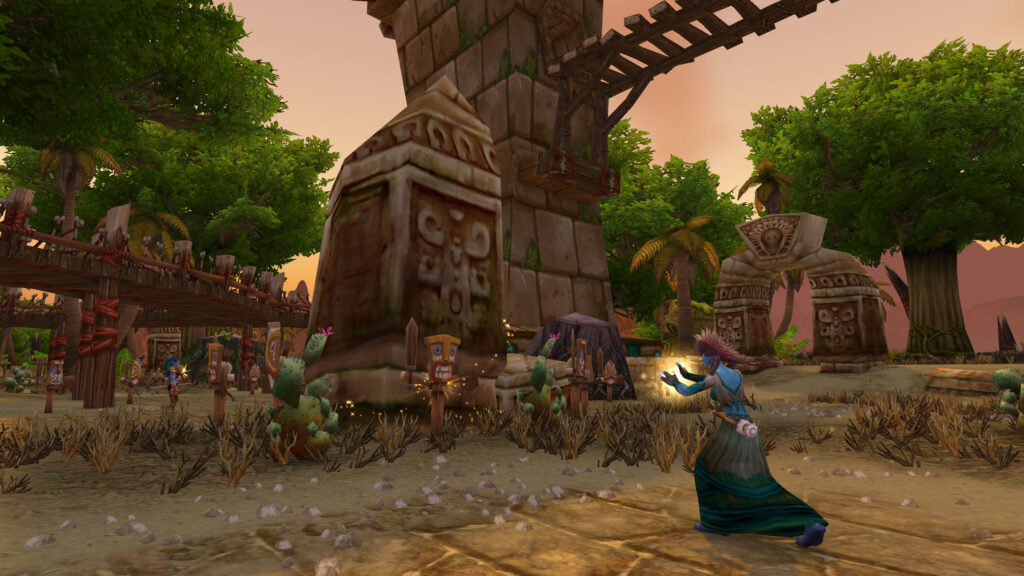
Enchanting and gemming new gear also adds to the total cost. Skipping these upgrades can hurt performance, which leads to slower clears and more wipes. This creates a cycle where poor gear causes higher costs over time. Buying WoW Gold helps players avoid this situation by giving them enough resources to gear properly from the start. With gold available, players can upgrade items as soon as they get them, stay competitive in group content, and avoid falling behind. For many players, buying gold is not about gaining an advantage, but about keeping pace with content demands while using their limited play time more efficiently.
Consumables and Their Weekly Gold Cost
Consumables are a steady and often underestimated drain on WoW Gold, especially for players active in raids and Mythic+ dungeons. Every serious run requires preparation, and that preparation costs gold each week. Flasks are usually active for long periods, but they still need regular replacement. Potions are consumed quickly, often multiple times per boss attempt or dungeon run. Food buffs are another required item, especially during progression content where every stat point matters. Weapon items such as oils or similar effects also add to the list. These costs repeat every reset, regardless of whether a player gets new gear or not. During heavy progression weeks, consumable use increases even more due to wipes and longer sessions.

This leads to higher spending with no break in between. Players who skip consumables to save gold often notice lower performance, which can cause slower clears and more failed attempts. That, in turn, raises repair costs and stretches play time. Buying WoW Gold helps players avoid this loop. With enough gold available, players can prepare properly for every run without checking prices or cutting corners. This keeps performance stable and reduces stress during group content. Instead of worrying about running out of potions mid-session, players can focus fully on gameplay. For many endgame players, covering consumable costs is one of the main reasons buying WoW Gold becomes part of their routine.
Weekly Costs That Drain WoW Gold Fast
Weekly costs go beyond gear and consumables and often surprise players who track only big purchases. Repair bills are one of the most common hidden drains. Long raid nights and dungeon progression can result in repeated deaths, which push repair costs higher than expected. These bills appear every session and cannot be avoided. Recrafting and upgrade fees also add up, especially when players adjust gear during progression. Auction House use introduces more costs, including listing fees and price changes that force relisting. Profession materials are another weekly expense, even for players who craft their own items. Prices can rise quickly, especially early in a season or after balance changes. When all these costs combine, gold reserves drop faster than many players expect.
The table below shows common weekly gold drains and their impact:
| Gold Cost Type | How Often It Appears | Impact on Gold |
|---|---|---|
| Repair bills | Every session | Constant drain |
| Consumables | Weekly or more | High repeat cost |
| Gear upgrades | As gear drops | Sudden large cost |
| Profession materials | Weekly | Price swings |
| Auction fees | Ongoing | Slow loss |
Buying WoW Gold helps players stay ahead of these expenses. Instead of reacting to gold shortages, players can plan their week knowing costs are covered.
How Buying WoW Gold Helps Manage Weekly Play
Buying WoW Gold changes how players manage their weekly play time and priorities. When gold is not a constant concern, players can plan sessions around content instead of farming. This is especially important for players with limited time. Farming gold often means repeating world content or low-reward activities that take hours to add up. By buying gold, players replace that time with direct access to what they actually want to do. Weekly preparation becomes simple and predictable. Gear can be upgraded immediately, consumables can be bought in advance, and repair bills stop being a worry. This leads to smoother play sessions and better focus.
Common reasons players buy WoW Gold for weekly needs include:
- Covering raid and dungeon consumables
- Paying repair costs during progression
- Gearing new or alt characters
- Avoiding long farming sessions
- Keeping weekly play short and focused
With gold available, players avoid last-minute problems before reset day. They log in ready to play instead of checking prices or farming materials. Over time, this creates a stable routine where progress stays steady and play time stays under control. Buying WoW Gold becomes a support choice that keeps weekly gameplay smooth, efficient, and focused on content rather than resource shortages.